November 13, 2026
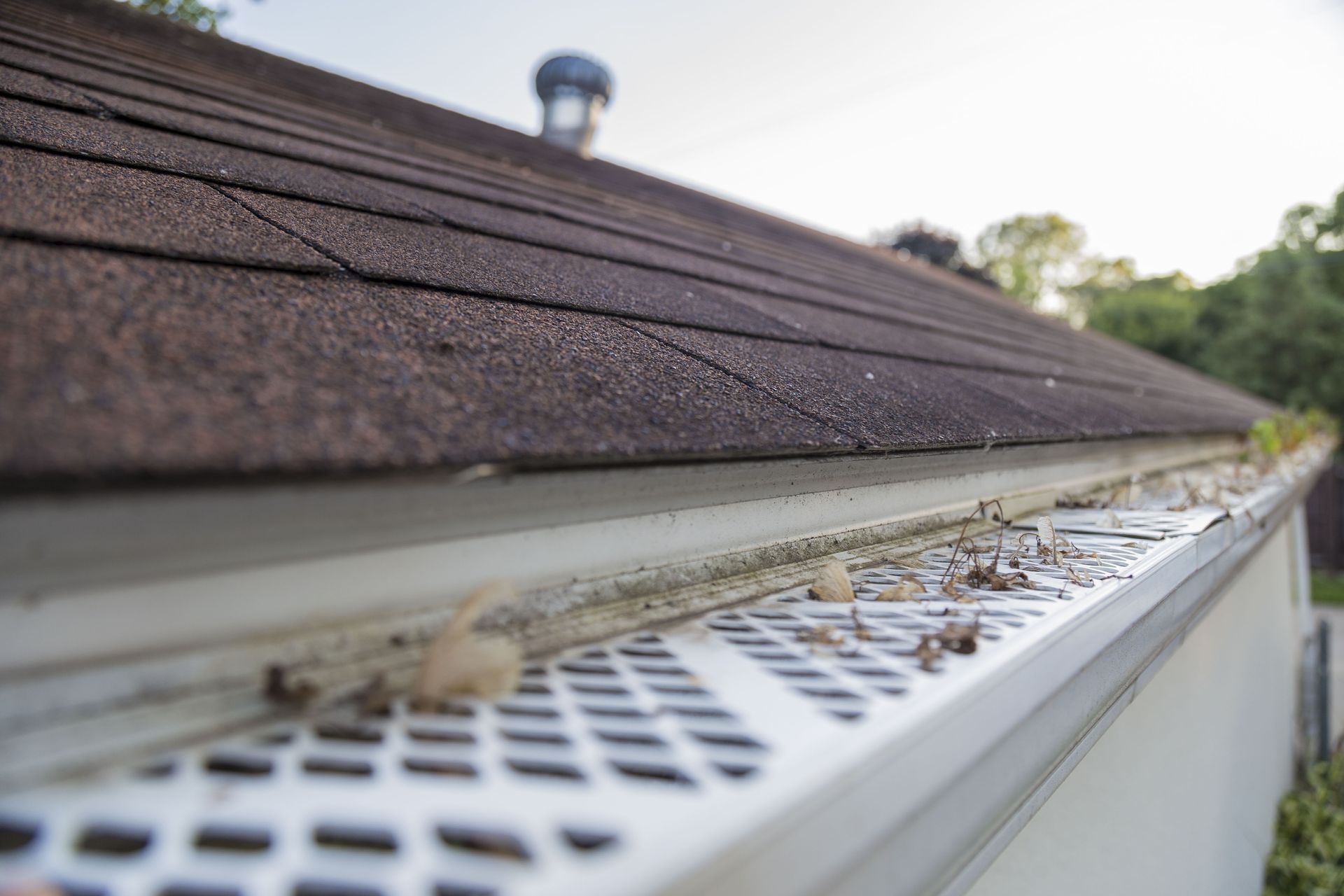
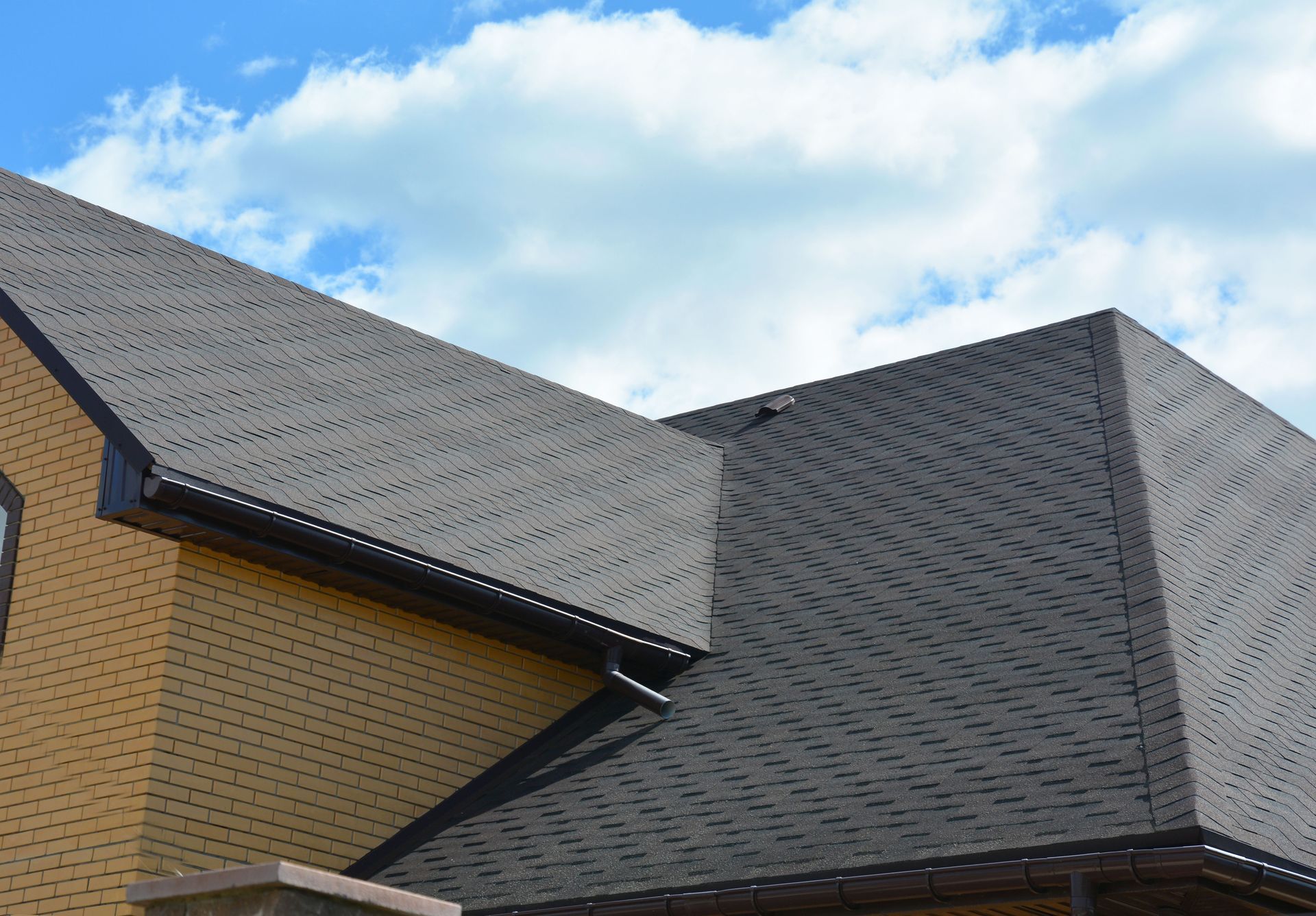
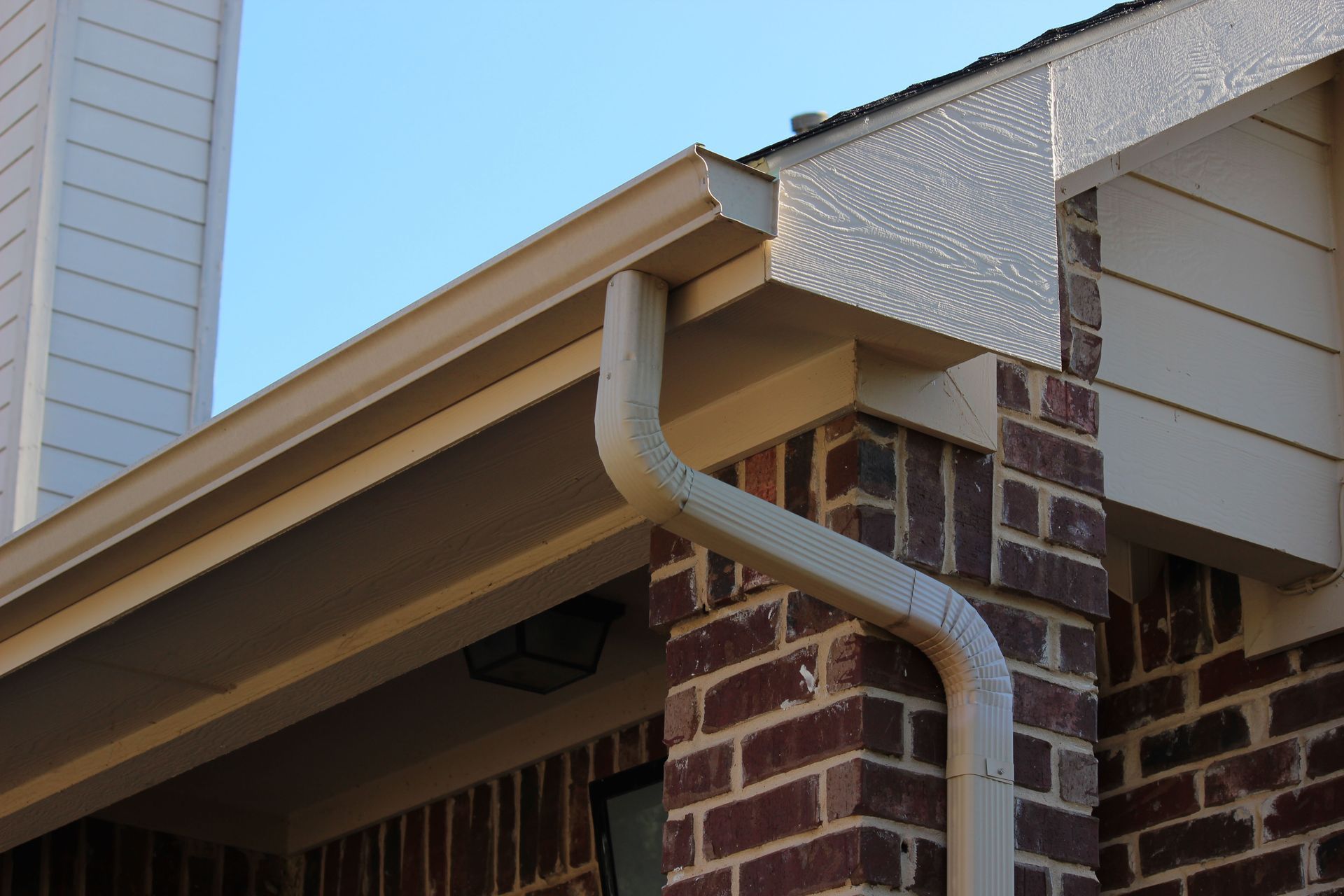
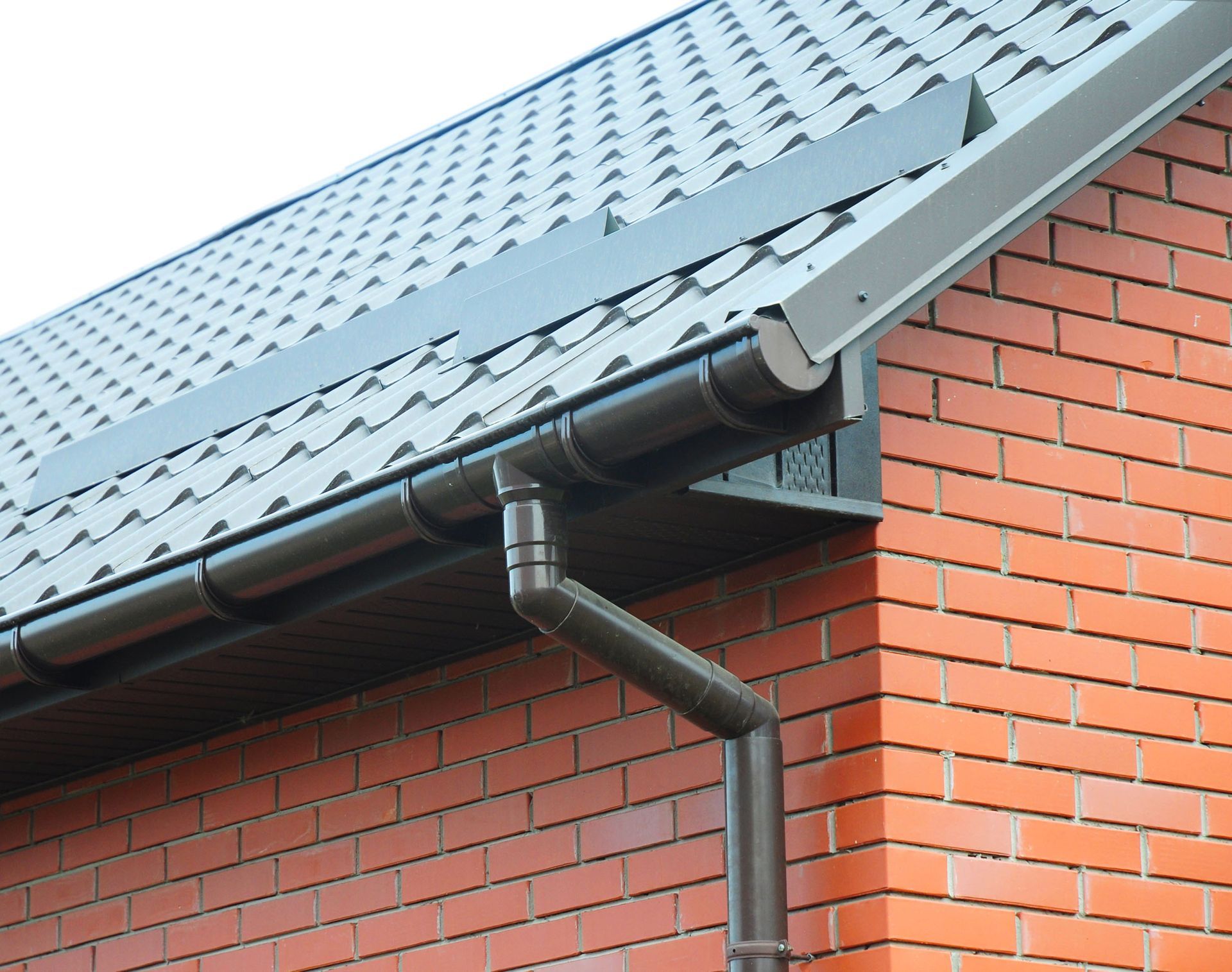
A residential drainage network is one of the most critical exterior defenses against structural decay, foundation settling, and costly roof leaks across every architectural footprint. Rainwater must have a clear, unobstructed path from the roofline into downspouts to exit harmlessly away from siding, finished masonry, and fragile concrete footings. When leaves, twigs, pine cones, and organic sludge settle inside open channels, the entire drainage mechanism fails, leaving the building vulnerable to severe water intrusion, extensive landscaping erosion, and siding rot. Incorporating professional gutter protection safeguards this dynamic process, ensuring rainfall cascades seamlessly through downspouts rather than spilling destructively over outer edges during severe local weather occurrences.
Maintaining unimpeded movement throughout the eaves requires a balanced approach to architectural drainage, accurate pitch calculation, and moisture diversion. Property owners frequently underestimate how quickly ambient foliage accumulates along low-slope planes, fascia seams, and valley junctions, eventually choking downspout openings completely. When drainage troughs retain moisture instead of channeling it outward, the resulting weight places immense structural stress on fascia boards and soffit assemblies, causing fastener failure and sagging profiles. A comprehensive evaluation of architectural water control proves that keeping these pathways open serves as the single most critical factor in exterior preservation and moisture mitigation.
Directing Moisture Away From Vulnerable Foundations
Structural footings require stable, moderately dry soil conditions to avoid shifting, cracking, or experiencing hydrostatic settlement over decades of seasonal changes and severe rainfall events. When roof drainage overflows because of internal obstructions, thousands of gallons of water cascade directly adjacent to masonry foundations, eroding supporting dirt and soaking basement walls. Debris such as leaves, branches, and pine needles can quickly accumulate in open gutters. This accumulation blocks water flow and causes water to overflow, potentially leading to roof damage and flooded basements. According to This Old House's 2026 homeowner survey, 57% of respondents reported better water flow after adding gutter guards, which efficiently address these debris-related issues. Standing water in clogged gutters can become a breeding ground for mosquitoes and other pests.
Sustained hydraulic pressure against exterior subterranean walls eventually forces moisture through microscopic pores in poured concrete or masonry block mortar joints, staining surfaces and dampening dry foundations. Installing professional gutter protection prevents this localized saturation by guiding torrential downpours away into subterranean lines or dedicated extension pipes located far from perimeter walks. Keeping structural soil horizons balanced prevents expensive structural remediation, foundation underpinning, perimeter trenching, and chronic interior dampness. A properly diverted watershed preserves interior living spaces, finished basement developments, and underlying ground stability for generations to come.
Preventing Structural Wood Rot Across Rooflines
Fascia boards, rafters, and roof decking rely on prompt runoff discharge to stay dry and avoid fungal colonization, wood decay, or structural softening. When troughs fill with soggy organic material, trapped moisture wicks upward beneath lower courses of shingles, saturating roof underlayment and soaking roof framing. Water that backs up behind clogged eaves eventually attacks structural timber, rotting rafter tails and breaking down critical adhesive bonds within manufactured roof decking. Modern gutter protection stops moisture from lingering against wood components, letting every storm run smoothly through downspout lines without backing up into eaves.
Beyond the threat to wood framing, overflowing troughs allow moisture to penetrate soffit vents, introducing moisture directly into conditioned attic insulation and roof rafters. Wet fiberglass or cellulose insulation permanently loses thermal resistance, causing heating efficiency losses and fostering mold spores throughout ceiling cavities. In colder winter months, unmanaged eaves create extensive ice damming when trapped slush freezes solid, expanding beneath shingles to tear flashing apart and bend hangers. Establishing a reliable, professional exterior barrier eliminates the standing moisture reserves required for extensive freeze-thaw roofing damage and attic framing issues.
Eliminating Stagnant Pools to Discourage Pests
Warm weather turns neglected, leaf-choked troughs into ideal incubators for invasive biological activity, nuisance animals, and vector-borne insect breeding grounds. Mosquito species require only microscopic puddles of still moisture to complete reproductive cycles, turning outdoor entertainment spaces into health hazards during summer months. Bird populations, squirrels, and small rodents also view debris-filled troughs as sheltered habitats complete with nesting material, food sources, and protection from predators. Integrating durable gutter protection denies rodents, insects, and birds the standing detritus and puddle basins they seek for breeding and harborage.
Organic sludge buildup provides rich nutrition for decaying mold varieties, airborne weed seeds, and invasive fungal colonies along elevated rooflines. Seeds blown from neighboring trees take root rapidly in moist decomposition, growing miniature root systems that weigh down metal troughs and disrupt correct slope pitching. The resulting root masses lodge tightly against spike-and-ferrule or hidden hanger assemblies, eventually pulling brackets completely loose from exterior walls. Preventing silt, leaves, and botanical matter from settling ensures roof eaves stay thoroughly dry, inhospitable to pests, and structurally sound throughout changing seasons.
Maintaining Consistent Hydrological Drainage Year Round
Every seasonal shift presents distinct exterior challenges that strain residential runoff infrastructure, from springtime tree blooms to autumn leaves and heavy downpours. Spring winds deposit fine pollen pods, catkins, and delicate blossoms that turn into gelatinous clogs across drop outlets and downspout elbows. Summer thunderstorms deliver torrential downpours that instantly overwhelm sluggish, semi-blocked systems, while autumn introduces heavy blankets of deciduous leaves. High-caliber gutter protection ensures seasonal leaf shedding falls to the lawn below rather than choking drainage channels during the heaviest autumn storms.
During transitional winter conditions, unmanaged blockages trap slush, impeding the natural drainage of daily roof meltwater and light freezing rain. This standing water freezes overnight, creating heavy ice dams that stress metal fasteners, damage downspout seams, and split gutter seams. Meltwater obstructed by ice backs up beneath roof shingles, causing ceiling leaks inside upper bedrooms, attics, and interior living spaces. Engineered commercial systems allow meltwater to reach downspouts continuously, preventing large ice reservoirs from forming along unheated roof edges and preserving overall system capacity through freezes.
Enhancing Building Longevity Through Professional Systems
Investing in expert exterior drainage upgrades significantly reduces recurring maintenance expenses, unexpected repairs, and dangerous ladder climbing around multi-story residential perimeters. High-end aluminum micro-mesh screens, robust surface-tension covers, and durable reverse-curve architectural barriers keep organic litter moving outward over the edge cleanly. These engineered systems are permanently attached by licensed contractors, preserving factory shingle warranties while keeping gutters functioning cleanly across multiple decades. Modern gutter protection protects the structural envelope, maintaining architectural value and preventing moisture damage across the entire property footprint.
Property owners gain great confidence knowing exterior systems will handle severe microbursts, hailstorms, and seasonal shifts without overflowing into foundation flowerbeds. Bypassing manual eave cleaning eliminates the fall hazards that injure thousands of individuals annually during seasonal residential exterior maintenance chores. High-performance aluminum or surgical-grade stainless steel products resist warping, ultraviolet degradation, and physical impact from falling twigs, branches, or heavy hail. Partnering with seasoned exterior specialists ensures correct roof pitch calibration, firm hanger spacing, and flawless downspout capacity for maximum drainage performance.
Achieving complete exterior protection requires an unyielding commitment to proper drainage dynamics, superior material engineering, and professional implementation across the entire eave system. Eliminating organic blockages protects exterior fascia, shields interior finishes, preserves foundation balance, prevents cellar flooding, and banishes unwanted pests from eaves. Reliable
gutter protection remains an indispensable investment for preserving the physical integrity and market value of your residence through every storm, downpour, and seasonal weather event. Uncontrolled exterior overflow presents hidden dangers that compromise structural framing, spoil landscaped yards, and damage baseline masonry over extended periods. Contact the dedicated exterior specialists at BT Seamless Gutters today to schedule your comprehensive drainage consultation, explore premier gutter systems, and permanently safeguard your home against all water damage hazards.