September 11, 2026
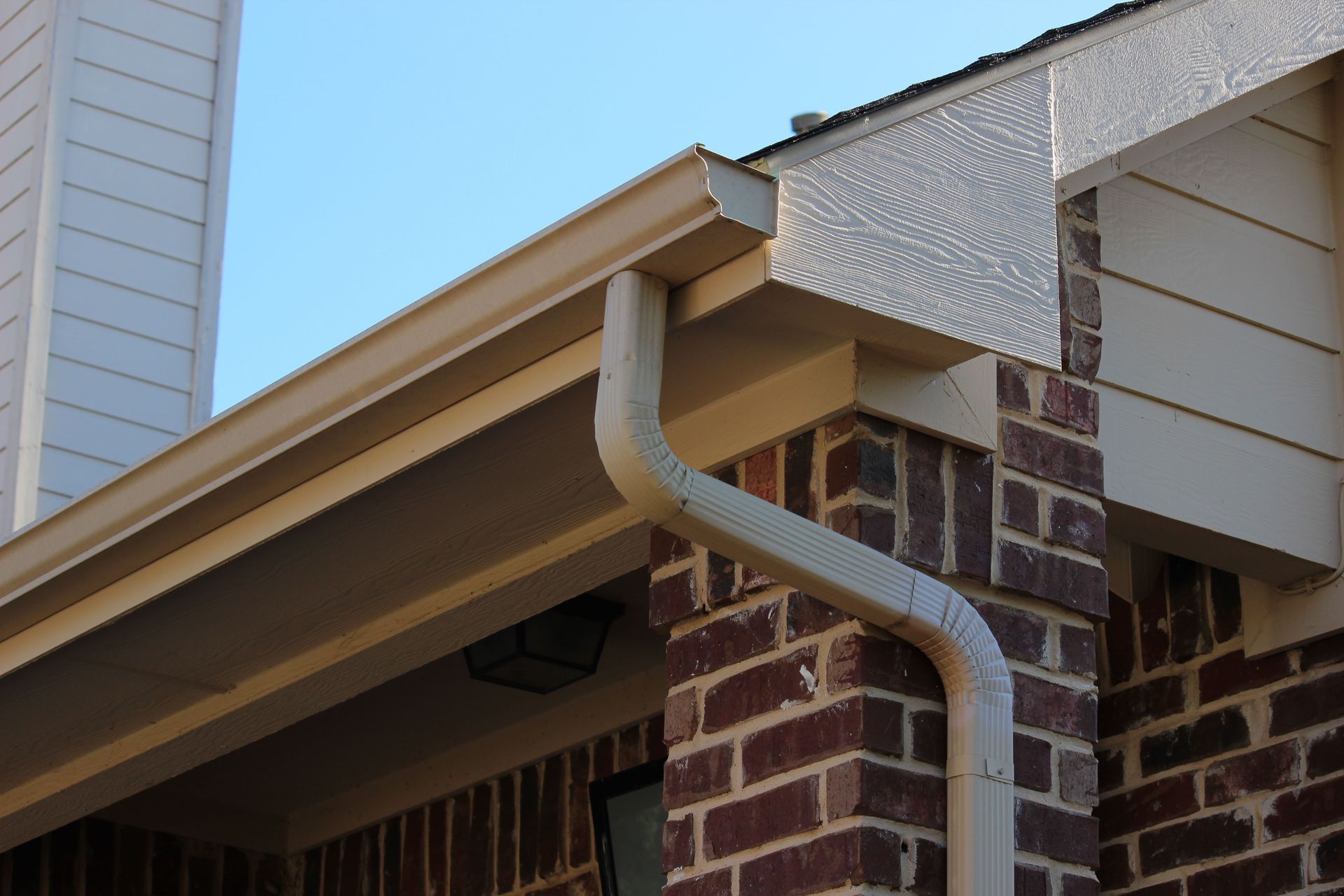
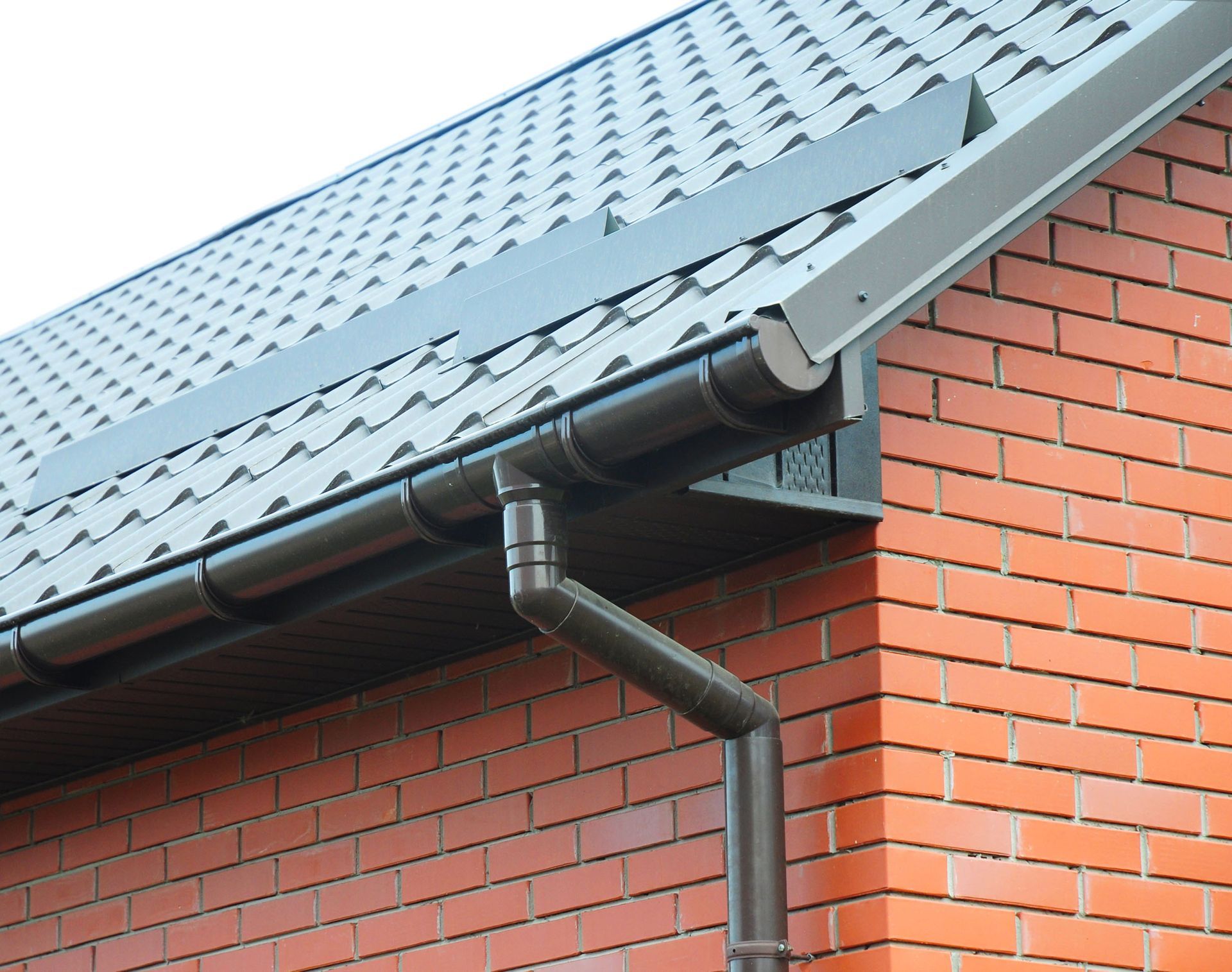
Downspouts play an essential role in directing rainwater away from a home. When they're working correctly, water collected by the gutters moves through the downspouts and is discharged away from vulnerable areas around the property. When something goes wrong, however, water can overflow, collect near the foundation, run across exterior surfaces, or contribute to other moisture-related concerns.
Some downspout problems are minor at first but can become more serious when they're repeatedly exposed to rain. According to ZipDo, approximately 70% of gutter repairs result from clogged gutters or leaks, highlighting how common drainage-related problems can be. Professional gutter services can evaluate downspouts along with the surrounding gutter system to identify conditions requiring prompt attention. Homeowners should be particularly aware of issues involving blockages, leaks, loose connections, physical damage, improper drainage, and separation from the building.
Recognizing Serious Downspout Blockages
Noticing Water Backups
A downspout blockage prevents rainwater from moving through the drainage system as intended. During heavier rainfall, homeowners may notice water backing up into the gutters or spilling over their edges. Persistent overflow can expose fascia, siding, landscaping, and areas near the foundation to unnecessary moisture.
Noticing Limited Drainage
Water entering a downspout should eventually reach its designated discharge point. If little or no water exits during rainfall despite water collecting in the gutters, an obstruction may be restricting the flow. Leaves, twigs, and other debris can accumulate inside areas that aren't readily visible from the ground.
Noticing Unusual Sounds
Partially obstructed downspouts can sometimes produce unusual dripping, trickling, or splashing sounds. These noises can indicate that water is moving slowly around accumulated debris rather than flowing freely through the system. Professional gutter services can determine whether an obstruction or another drainage issue is responsible.
Noticing Repeated Overflow
Overflow that happens during multiple rainstorms deserves attention. Repeated water exposure can affect areas that weren't designed to handle concentrated runoff. Prompt evaluation can identify whether a clogged downspout is preventing the gutter system from carrying water away effectively.
Recognizing Serious Downspout Leaks
Spotting Water at Seams
Downspouts consist of connected components, and water can escape where sections meet if a connection becomes compromised. Moisture appearing around seams during rainfall can indicate that water isn't remaining contained as it travels toward the ground.
Spotting Water on Siding
A leaking downspout positioned alongside the building can repeatedly expose siding or other exterior materials to water. Staining or visible moisture near the downspout may indicate a problem that warrants professional attention, especially when the condition appears after multiple storms.
Spotting Puddles Near Walls
Water collecting directly beneath a downspout rather than reaching the intended discharge area can indicate a leak. Because the purpose of the system is to manage runoff, puddling close to exterior walls can undermine its effectiveness. Gutter services can assess the source of escaping water and the condition of the affected components.
Spotting Persistent Dripping
Dripping from the side of a downspout during or shortly after rainfall can signal an opening, damaged connection, or other defect. Even a relatively small leak can release significant amounts of water over repeated storms, making early attention worthwhile.
Recognizing Serious Downspout Separation
Observing Loose Connections
Downspout sections need secure connections to direct water continuously from the gutter toward the discharge point. When sections loosen, gaps can develop and allow water to escape. Movement can also place additional strain on nearby components if the condition isn't addressed.
Observing Wall Separation
Downspouts are generally secured to the building to keep them properly positioned. If one begins pulling away from the exterior wall, its alignment and stability can be affected. A visibly loose downspout should receive attention before movement causes additional damage.
Observing Disconnected Sections
A complete separation between sections creates an obvious interruption in the drainage path. Water can pour directly from the opening instead of continuing toward its intended destination. Professional gutter services can evaluate disconnected components and determine whether surrounding sections have also been affected.
Observing Increased Movement
A downspout that shifts noticeably in the wind or moves when water flows through it may no longer be adequately secured. Continued movement can worsen existing gaps or affect attachment points. Addressing instability early can help preserve the function of the overall drainage system.
Recognizing Serious Downspout Damage
Identifying Visible Cracks
Cracks can allow rainwater to escape before it reaches the bottom of the downspout. The severity of the resulting problem depends on the crack's location and the volume of runoff, but visible damage should be evaluated rather than ignored.
Identifying Crushed Sections
A downspout can become dented or crushed after an impact. Significant deformation may narrow the interior passage and interfere with water flow. Restricted drainage can contribute to backups farther up the system, particularly during periods of heavy rainfall.
Identifying Corroded Areas
Some downspout materials can deteriorate as they age or remain exposed to environmental conditions. Corrosion can eventually weaken the material enough to create openings or compromise connections. Gutter services can determine whether an affected section remains functional or requires professional repair.
Identifying Damaged Outlets
The area where the gutter feeds into the downspout is particularly important because all collected runoff must pass through it. Damage or misalignment near this transition can interfere with drainage and contribute to overflow near the roofline.
Recognizing Serious Drainage Problems
Finding Water Near the Foundation
One of the most important functions of a downspout is moving water away from the building. If substantial runoff consistently collects near the foundation, the discharge arrangement may not be performing as intended. This condition deserves prompt evaluation because repeated water accumulation can create property concerns.
Finding Soil Erosion
Concentrated runoff can disturb soil and landscaping around a discharge area. Visible channels, displaced mulch, or eroded soil can indicate that water isn't being directed appropriately. These signs can become more pronounced after repeated storms.
Finding Exterior Staining
Water traveling where it shouldn't can leave stains on siding, masonry, or other exterior surfaces. Staining near a downspout can provide evidence of recurring overflow, leakage, or poor discharge. Professional gutter services can assess the drainage system rather than focusing only on the visible marks.
Finding Recurring Puddles
A puddle after an unusually intense storm isn't necessarily evidence of downspout failure. However, water that repeatedly collects in the same location whenever it rains can indicate a persistent drainage concern requiring further evaluation.
Recognizing Serious Downspout Misalignment
Detecting Shifted Sections
Downspout sections can shift because of impacts, loosened attachments, weather exposure, or changes elsewhere in the system. Misaligned sections may create gaps or prevent water from following the intended drainage route efficiently.
Detecting Poor Connections
Connections that no longer fit together correctly can allow water to escape or contribute to instability. The problem may become especially noticeable during heavy rainfall when greater volumes of water place additional demands on the system.
Detecting Improper Discharge
Water leaving the downspout should travel toward an appropriate drainage area rather than immediately returning toward the building. If runoff consistently moves toward exterior walls or collects nearby, professional gutter services can evaluate the downspout's positioning and related drainage components.
Detecting Broader System Problems
A downspout issue isn't always isolated to the downspout itself. Changes in gutter alignment, connections, drainage capacity, or other components can influence how water moves through the entire system. A professional evaluation can determine whether visible downspout trouble points to a broader concern.
Downspout problems deserve timely attention because they can prevent the gutter system from performing one of its most important functions: directing rainwater away from vulnerable areas of the property. Blockages, leaks, separation, physical damage, drainage concerns, and misalignment can all interfere with water management, and recurring symptoms shouldn't be overlooked.
If you've noticed overflowing water, leaking connections, damaged sections, or runoff collecting where it shouldn't, contact BT Seamless Gutters today. Our gutter services can identify downspout concerns and provide the professional repairs needed to restore effective drainage and help protect your property.